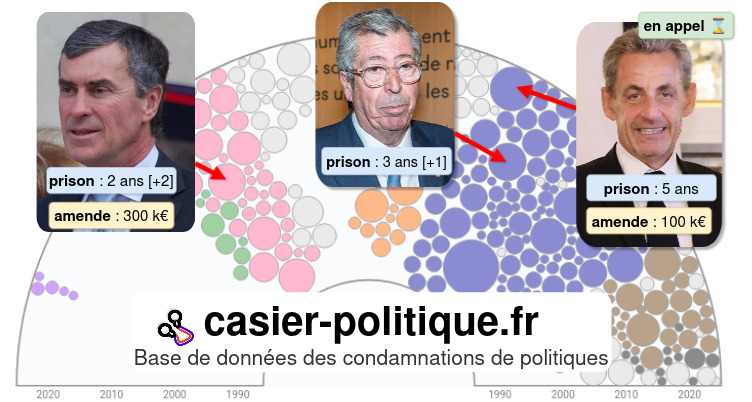
Casier Politique: New Generation Leaders Redefining France
French politics has long been characterized by a certain traditionalism, often favouring candidates with pristine backgrounds and well-trodden paths through elite institutions. However, a significant shift is underway, challenging the very definition of political legitimacy and leadership. This evolution is perhaps best encapsulated by the concept of the Casier Politique Fr – not merely a criminal record, but a metaphorical political dossier that includes a candidate's life experiences, struggles, and even past missteps, which, for a new generation of leaders, are becoming assets rather than liabilities.
At the forefront of this transformative wave stands figures like Ali Soumaré, whose journey from the challenging suburbs of Villiers-le-Bel to a regional council seat exemplifies a broader movement. His story, detailed in the book Casier Politique (co-authored with Jean-Marc Pitte), reveals how personal adversity and a non-traditional background can forge a powerful, authentic voice in a political landscape yearning for change. These new leaders are not only redefining who can lead but also reshaping the national discourse, bringing vital perspectives from previously marginalized communities directly into the halls of power.
Ali Soumaré: A Journey from Stigma to Statesmanship
Ali Soumaré's entry into the political arena was anything but conventional. Born to Malian parents and having spent his formative years in the "banlieues" – France's often-stigmatized suburban areas – Soumaré represented a demographic rarely seen at the forefront of national politics. His detractors, particularly from the UMP, were quick to label him a "délinquant multirécidiviste chevronné" (a seasoned repeat offender), attempting to use his past against him. Indeed, Soumaré himself openly acknowledges a teenage mistake that led to incarceration.
Yet, it was this very period of imprisonment that, paradoxically, became a crucible for his political awakening. Instead of succumbing to despair, Soumaré found his true calling: to prevent others from falling into the same social traps and impasses that defined his youth. His personal narrative is one of profound transformation, demonstrating how a difficult past can be transmuted into a powerful catalyst for social change. In an inspiring testament to his resilience and vision, Soumaré was elected Regional Councillor of Île-de-France in March 2010, securing over 70% of the votes as a socialist party list leader for his department. This overwhelming mandate underscored a public hunger for authentic representation and a willingness to look beyond conventional political qualifications.
Soumaré, at just 29 when elected, embodies the spirit of a new generation of French leaders who challenge traditional norms. His background and experiences offer a stark contrast to the often-homogeneous profiles of established politicians, providing a voice for a segment of France that had long felt unheard. His success signals a powerful shift, where lived experience, even if marked by adversity, is increasingly valued as a source of credibility and insight in the political sphere.
Beyond the "Casier Politique": Challenging French Political Norms
The term "Casier Politique Fr," when applied to individuals like Ali Soumaré, takes on a nuanced meaning. It’s not just about a literal criminal record, but the political "record" of one’s background, social origins, and experiences that are often used to define and, at times, delegitimize their political aspirations. Soumaré's narrative directly confronts this tendency, using his personal story to expose the mechanisms that perpetuate the stigmatization of the banlieues.
Within the pages of his book, Soumaré doesn't shy away from direct critique of the political establishment. He notably points out the perceived eccentricities of Sarkozy, the far-right leanings of Éric Zemmour, and the deep-seated internal conflicts plaguing the Socialist Party. These observations are not mere justifications for his own path, but rather a sharp analysis of the systemic issues that contribute to public disillusionment with traditional politics. He argues that these internal struggles and perceived disconnects within mainstream parties create a vacuum that authentic, experience-driven leaders can fill.
Soumaré represents a "France that until now only had the right to complain," a France now determined "to make its weight felt." This sentiment highlights a crucial shift: a move from passive grievance to active citizenship and political participation. His journey illuminates how personal stories of struggle and redemption can be powerful tools to dismantle stereotypes and build bridges between communities and the political sphere. His insights into these dynamics are explored further in French Politics: Soumaré Unpacks Stigmatization and Internal Strife.
The Evolving Definition of Leadership
The rise of leaders with "Casier Politique Fr" attributes — meaning, those who carry the imprints of non-traditional or challenging life paths — signifies a profound evolution in what constitutes a credible political leader in France. It represents a tension between the long-held ideal of a flawless, elite-educated politician and the burgeoning demand for authenticity, relatability, and lived experience. Voters are increasingly seeking leaders who understand their daily realities, not just those who can eloquently debate policy. This evolving expectation prioritizes empathy and grassroots understanding over pure academic or professional pedigree.
The Rise of Authentic Leadership: Implications for France
The phenomenon exemplified by Ali Soumaré is not an isolated incident; it reflects a broader societal yearning for political authenticity and diverse representation. Disillusionment with conventional politics, characterized by perceived elitism and a detachment from everyday struggles, has paved the way for leaders who speak from experience rather than theory.
Characteristics of these new leaders often include:
- Personal Experience: Their policies and platforms are often deeply rooted in their own life experiences, making them more resonant with constituents facing similar challenges.
- Grassroots Connection: They typically emerge from community activism and local engagement, fostering a strong connection with the populace.
- Directness and Transparency: A willingness to openly discuss their past, including mistakes, builds trust and distinguishes them from politicians perceived as guarded or opaque.
- Resilience: Having navigated personal and societal adversities, they often demonstrate a unique tenacity and resolve in facing political challenges.
This shift has significant implications for French society, offering hope to marginalized communities and challenging long-standing stereotypes. It suggests a more inclusive vision of democracy, where the path to power is not exclusively reserved for a privileged few.
Practical Tips for Aspiring Leaders from Diverse Backgrounds
For individuals inspired by figures like Ali Soumaré, here are some actionable insights to navigate the evolving French political landscape:
- Embrace Your Story: Do not hide your background or past struggles. Instead, frame them as sources of strength, empathy, and unique insight into societal problems.
- Focus on Local Issues: Build credibility and a support base by addressing concrete, local concerns. Grassroots engagement is paramount.
- Build Strong Community Ties: Connect deeply with your community. Understand their needs, advocate for their rights, and become a trusted voice.
- Cultivate Resilience: Expect criticism and stigmatization. Develop a thick skin and a clear vision to withstand attacks on your character or past.
- Leverage Media Effectively: Learn to articulate your message clearly and use various media platforms to reach a broad audience, counter negative narratives, and highlight your positive contributions.
- Seek Mentorship: Connect with established political figures or community leaders who can offer guidance and support.
What the "Casier Politique" Movement Means for French Democracy
The rise of leaders with a challenging "Casier Politique Fr" is more than a fleeting trend; it represents a fundamental re-evaluation of what makes a legitimate and effective political representative. Ali Soumaré might be a pioneer, but he is indicative of a broader demand for authentic voices in French democracy. This movement challenges the deeply entrenched power structures and forces traditional political parties to confront their own internal biases and perceived disconnects from the populace.
This shift emphasizes the importance of diverse voices in national discourse. When leaders emerge from varied social strata, with unique personal histories, the political conversation becomes richer, more nuanced, and ultimately, more representative of the complexities of French society. It forces a redefinition of "legitimacy" away from solely academic or professional credentials towards a recognition of lived experience and genuine connection with the electorate.
The challenge to established parties is clear: adapt or risk obsolescence. If the Socialist Party could embrace a figure like Soumaré, it suggests a potential path forward for other parties to broaden their appeal and demonstrate a commitment to inclusivity. Conversely, resistance to this movement risks alienating significant segments of the population who feel unrepresented by the political mainstream. The media also plays a crucial role in either perpetuating stereotypes or fostering a more nuanced understanding of these new leaders and their valuable contributions.
In conclusion, the emergence of leaders like Ali Soumaré, whose personal histories are complex and often challenging, signifies a profound and exciting evolution in French politics. The concept of the Casier Politique Fr, once a potential barrier, is transforming into a symbol of authenticity and a source of strength for a new generation. These leaders are not only redefining who can lead but also bringing fresh perspectives and a deeper understanding of France's diverse realities to the political stage. Their rise promises a more inclusive, more representative, and ultimately, a more robust French democracy, driven by individuals who genuinely comprehend the struggles and aspirations of their fellow citizens.